change
medium
issue
region
Anton
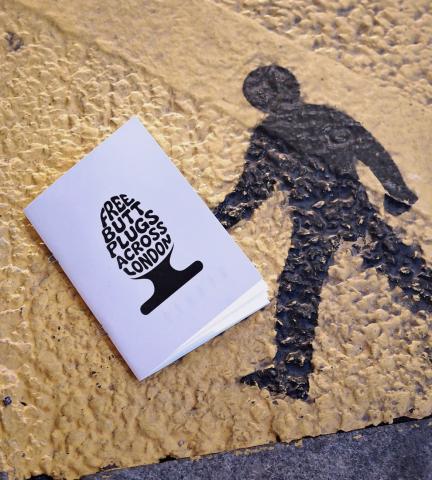
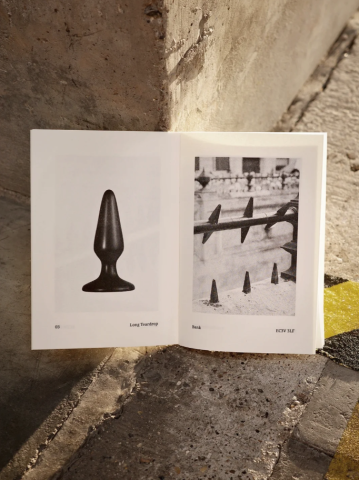
Hostile architecture—urban design features like ground spikes that deter the homeless from lying down or slanted benches that prevent lingering—inscribes exclusion into our streets. In response, a Chinese artist will launch the Free Butt Plug Catalogue, an art-activism project that documents fifteen such spikes and anti–loitering benches across London and pairs each with a commercially available butt plug of the same shape.
“Cities deploy these cold, pointed fixtures to keep vulnerable people out of public space,” explains project lead “R.” “Yet identical forms are sold in adult shops to invite intimate use. Our catalogue uses absurd humor to expose how design can welcome some bodies while violently rejecting others.”
Anyone can join: spot a new hostile-architecture spike or bench, photograph it, note the nearest Tube station or street corner, and upload it to the project’s social feed. Each submission helps build a living map of exclusion—while cheekily guiding “free testers” from sidewalk discomfort to online toy purchases.
From May 16–18, the Riso-printed, limited-edition chapbook (only 50 copies) will be on sale at Tate Modern’s Offprint London Art Book Fair. More than a collectible, the booklet is a provocation: a reminder that urban design choices carry moral weight, and that public spaces should be shaped to include all citizens—rather than drive the most vulnerable out of sight.