These projects all have short-term goals. Ideally each contributes to a campaign with a clear, well-defined path to a goal. Ideally, there are targets—people, institutions—that the project (and/or campaign) pressures and which, if pressured, can help achieve the goal.
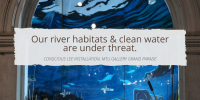
Conscious Lee is a public awareness project to help people value and protect their rivers. Rivers are rich sources of life and are vital for clean water. They are beautiful spaces to connect with nature. We all need to appreciate our rivers. We can all help river wildlife and protect this natural amenity for future generations.
Created by and for women, Broccoli is an independent print magazine based in Portland, Oregon. Although intended for cannabis users, Broccoli is an art and lifestyle magazine that bills itself as “playful, informed, eclectic, and thoughtful.” It encourages the discovery and appreciation of cannabis through explorations of art, culture, and fashion.
We designed a WaterWaysWalk with interactive activity suggestions linked to both a Website and a hardcopy Zine, either of which could be utilised on the walk to raise awareness about Water Sustainability.
Below is an extract from the website explaining what the focus was:
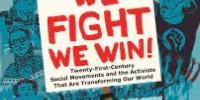
Greg Jobin-Leeds, a long-time social activist, collaborated with AgitArte, a collective of artists and organizers, to capture the stories of today’s social movements and the activists behind their success with the release of When We Fight, We Win: Twenty-First-Century Social Movements and the Activists That Are Transforming Our World.
Chanel Miller is a Palo Alto–born artist and writer. She first came into the public eye as “Emily Doe,” the victim of a 2015 Stanford University sexual assault whose impact statement presented in court went viral. Miller relinquished her anonymity in 2019, when she published the acclaimed memoir, “Know My Name.” "I was, I am, I will be" is Miller’s first commissioned artwork for a museum and is on view through February 2022.
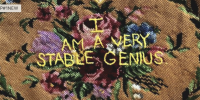
Tiny Pricks is a public art project created and curated by Diana Weymar. Contributors from around the world are stitching Donald Trump’s words into textiles, creating the material record of his presidency and of the movement against it. Tiny Pricks Project holds a creative space in a tumultuous political climate.