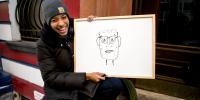
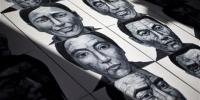
Beijing-based artist Liu Yi is working on a series of black-and-white portraits he knows will never be shown in a Chinese gallery. His varied subjects — men and women, young and old, smiling and pensive — have one thing in common: They are Tibetans who have set themselves on fire to protest repressive Chinese rule.
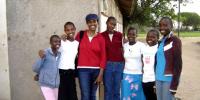
Mtendo MweMa Project's mission is to provide a safe house and educational opportunities to girls, especially those in danger of female circumcision, early marriage and pregnancy, whom otherwise have no alternative but to return to their villages during the holiday seasons in Kenya, East Africa.
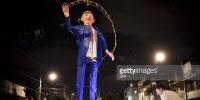
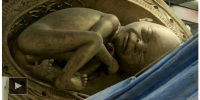
For weeks, 14 giant balloons had been mysteriously parked in front of the Sidra Medical and Research Center, a hulking steel, glass and white ceramic building devoted to women’s and children’s health that is to open on the outskirts of this city in 2015.
Multimedia
Pam Geller doesn’t know much about Islam or Muslims, that much is clear. What she does know, however, is how to rally the troops to incite racism. From funding Islamophobic bus ads to maximizing offensive Muslim stereotypes, it’s clear that there’s only one thing on her agenda — and that’s hate.
Mine is not Arts for the sake of Arts. It is a revolutionary INSGINA carved into the artistic plaque of my DNA to speak FREEDOM of expression and then freedom after EXPRESSION. The footprints of my revolutionary walk are dipped in the paths of RESISTANCE. My Ideological Swag -word is CREATIVITY. My spiritual birth mark is RESILIENCE. My revolutionary slogan is a nonviolent but a poetic fist of MASS INSTRUCTION. I am non-selfish believer.
"Late last night, an autonomous group of activists placed posters throughout the subway system, blocking out advertisements with their own materials protesting Israel's bombing campaign in Gaza.
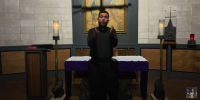
WEST MIAMI-DADE, FLA. (WSVN) - A seminarian and faculty member at a South Florida school is taking a creative approach to engaging with students about challenging issues during this time of uncertainty, including the coronavirus pandemic. He made a rap video.