change
region
medium
issue
pol
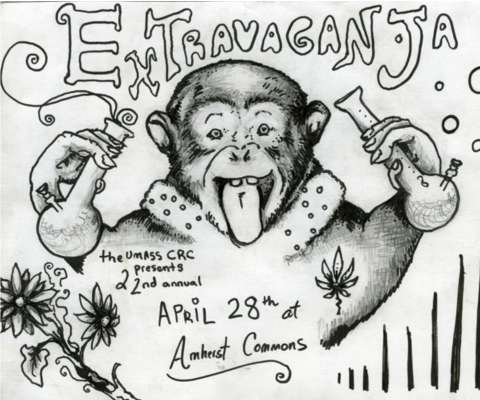
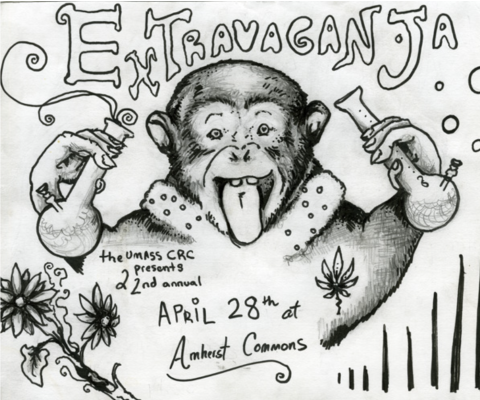
Rooted in decades of grassroots organizing, the cannabis reform activism at the University of Massachusetts Amherst is one of the longest-running student-led efforts for marijuana legalization in the United States. Led by the Cannabis Education Coalition (CEC), founded in 1991, this movement combined cultural celebration with political advocacy, using public festivals like Extravaganja to destigmatize cannabis and promote drug policy education.
Extravaganja is an annual cannabis-themed festival hosted by the University of Massachusetts Amherst’s Cannabis Education Coalition (CEC). First held in 1991, the event has grown into one of the largest student-organized marijuana advocacy gatherings in the United States. Blending live music, food vendors, local dispensary outreach, and educational programming, Extravaganja serves as both a cultural celebration and a platform for cannabis reform activism.
Held at the Franklin County Fairgrounds, the festival draws thousands of attendees each year and features discussion panels on cannabis policy, consumer safety, plant science, and legal rights. By fostering an open, stigma-free environment for conversation and learning, Extravaganja plays a critical role in destigmatizing marijuana and reinforcing the connection between grassroots advocacy and legislative change. Local food vendors lined the Franklin County Fairground, dishing out everything from pulled pork sandwiches and empanadas to boba tea and ice cream, ready to satisfy every “munchies” craving a festival goer could have. Extravaganja attendees also had the opportunity to buy marijuana seeds, look at glass smoking pipes, and talk to local dispensaries like Mass Alternative Care. Extravaganja’s purpose extends beyond a general celebration of the plant, however, as the festival seeks to promote marijuana education. The Massachusetts Cannabis Reform Coalition (MassCann), a grassroots marijuana legislation non-profit, hosted an education village near the event’s entrance. As a longstanding marijuana reform group, MassCann set up four discussion panels at the event to discuss topics such as consumer rights, cannabis safety, the effects of cannabis on the body, current public policy surrounding the drug, and how to grow the plant legally. CEC president Blake Weiss, a UMass horticultural science major, emphasized the festival’s importance as a form of learning more about cannabis.
While Massachusetts legalized recreational cannabis in 2016, CEC’s activism predates legalization by over two decades and reflects a broader national movement influenced by organizations like NORML. Through public events, educational outreach, and sustained community organizing, the CEC helped shift public perception and empowered young people to play a vital role in drug policy reform.
This activism illustrates how long-term, youth-led cultural resistance can influence state policy, shift norms, and transform a once-stigmatized substance into a subject of open dialogue and public health discourse.