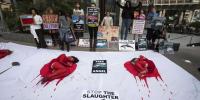
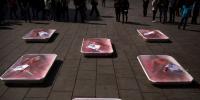
While this protest draws quick and reactive attention and awareness to the issue at hand; it does fail to make clear the message that they intend to protest. The audience, which seems to be the general public, may focus on the scandal of the protest. The the vulgar display people as a bloody pieve of meat. Yet, these shocking images do draw the viewer to the cruel way animals are handled by the meat industry.
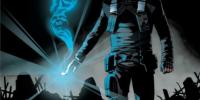
The Convergence graphic novel series is a science fiction dystopia. It tells the story of a dying earth and the dark covenant that the last civilization acceded to for survival. The social contract is disrupted when a prophecy is triggered which can heal the dying earth. Book 1 was released this past June with 7 more episodic books coming monthly in 2016.
Greenpeace released a video to spread the word that Nestle, the maker of Kit Kat, was using palm oil purchased from companies that are destroying the Indonesian rainforest and pushing orangutans towards extinction. The video, which features a guy opening a Kit Kat at work, pulling out an orangutan finger and taking a bite, shocked hundreds of thousands of viewers. The Greenpeace campaign against Nestle was a success.
This is one of the noblest urban interventions I've seen lately. Two girls who go to a subway station in Santiago, Chile with lots of colorful balloons with helium. In the balloons write messages like "touch me", "hold me", "adopt me", "love me" or "feed me".
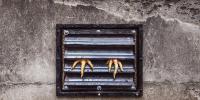
Fifty-six-year-old Dan Witz — who originally hails from Chicago but lives in Brooklyn — has been producing street art in New York since the seventies. And not just any street art. Wondrous works that trick the eye and often elude passersby altogether. Oh, but when one realizes what he or she is seeing, it’s pure revelation.
Rescue workers have swung into action to board, feed and treat displaced animals – and find those who may be trapped.
As the wildfires besieged Los Angeles, marauding through hillside suburbs at an impossibly fast and ferocious pace, 500 miles away Garrett Needles and the volunteers with the North Valley Animal Disaster Group started making plans.
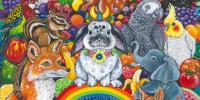
I must first come clean, I studied fine arts in high school from years nine to 12. Since my studies were concluded, I had never held a paintbrush again.
Thousands of animal rights activists marched against a draft law on Sunday that would make changes to Turkey's Animal Protection Law No. 5199, seeking to introduce practices currently used in other countries such as collecting stray animals from the streets and euthanizing members of the “excess” population.
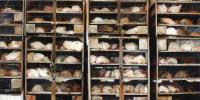
Since summer 2011, FARM’s activists have been paying people $1 each to watch a 4-minute video depicting the inherent cruelties of raising animals for food. This tactic, known as “pay-per-view,” has led 80% of participants to reduce meat consumption, sparing tens of thousands of animals from abuse and slaughter.
An Israeli member of the Taiji Dolphin Action Group, with a red body painting to evoke blood, is curled up on a sheet depicting the Japanese flag, during a January 30, 2014 protest against the killing of dolphins, notably in the Japanese city of Taiji, held outside the building housing the Japanese Embassy, Tel Aviv. Similar rallies outside Japanese consulates and embassies were expected to take place worldwide.
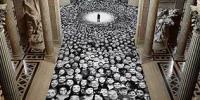
After winning the TED Prize on March 2, 2011, the French-artist JR launched the Inside Out Project, in his first TED Talk. Using his own artistic practice as inspiration, this participatory platform helps individuals and communities to make a statement by displaying large-scale black and white portraits in public spaces. Through their “Actions,” communities around the world have sparked collaborations and conversations.
Sunaura Taylor is an artist, writer and activist. Through painting, printmaking, writing and other forms of political and artistic engagement her work intervenes with dominant historical narratives of disability and animal oppression. Taylor's artworks have been exhibited at venues across the country, including the CUE Art Foundation, the Smithsonian Institution and the Berkeley Art Museum.