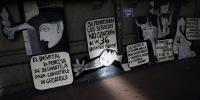
On Wednesday, December 15th 1976, a referendum was held in Spain. The question was to pass or not to pass the Ley para la Reforma Política (Political Reform Act). This Act was the legal instrument that allowed Spain to transition between Francisco Franco’s dictatorship to a democratic constitutional regime, a parliamentary monarchy.
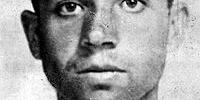
Miguel Hernández was a spanish shepherd, poet and playwright that dedicated most of his works to dignify the poor peasants of the rural areas of Spain.
Spain’s most devastating environmental disaster took place 20 years ago, on the evening of November 13th, 2002. The Prestige oil spill occurred off the coast of Galicia, part of northern Spain. The spilled oil, in time, covered around 2,000 kilometers of the Galician coast.
The Spanish 15M/INDIGNADOS social movement represents a citizen break-up with the current political system while proposing an alternative one, creatively transforming the prevailing participation and action patterns in its society.
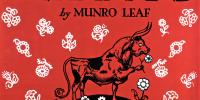
On a damp and rainy Sunday in October of 1935, Munro Leaf sat down to write a story. He had been eager to work with his friend – the illustrator Robert Lawson – for some time and so he decided to pen a book which he felt might suit the illustrator’s skills. Lawson was a master at drawing animals but horses, dogs, cats, rabbits and mice had all been done a thousand times already.
Late last year the Spanish government passed a law that set extreme fines for protesters convening outside of government buildings.
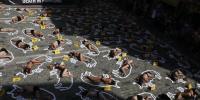
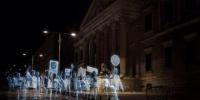
In response to the controversial Citizen Safety Law, which will take effect on July 1, Spanish activists have staged the world's first ever virtual political demonstration.
"Surround Congress”: as soon as we’d heard this, in our minds we were there. To make the Government resign and demand they start a new constituent process seemed like a great idea. We immediately got to work.
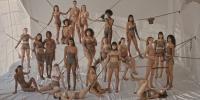
From intimate portraits to urban performance art, the through line of photographer Carlota Guerrero’s work has always been her stripped back sense of feminine reverie: rumpled sheets and broken shells, translucent tights and long braids, dusty floors and bare chests.
This piece is fascinating because of its use of just a few words and country names, muted colors, and the recreation of famous art. The artist used this canvas to depict a concern about events happening in the Gaza strip.
El albañil anarquista Lucio Urtubia falsificó miles de cheques del First National City Bank, en la segunda mitad de los años setenta, hasta prácticamente llevar el banco a la ruina. Urtubia donó el dinero así generado a diversos movimientos de guerrilla europeos y latinoamericanos.
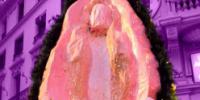
On November 7, 2010 Pope Benedict XVI visited our city. He would have been better off staying at home. Even before he touched land we had rendered him impotent for life. Yes: im-po-tent.
In 2019 before the annual San Fermin festival 54 protesters from around the world representing AnimaNaturalis and PETA held a demonstration against the cruel sport of bullfighting. The celebration of culture and religion subsequent to the murder and torture of dozens of bulls is the spectacle of San Fermin that draws an army of international tourists to the small city of Pamplona.
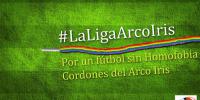
Spanish soccer has witnessed and engaged in a variety of conversations in the last few years: Racism, politics, xenophobia, territorial issues, corruption, inmigration. However, there is an issue that remains untouched, and this issue is homophobia. Soccer is still a context where it is acceptable to use the word "marica" ("queer") in a pejorative way.
"On July 5, 2002, a strange new brand began cropping up in the streets of Barcelona. That day, at the height of sales season, more than fifty people rushed through the center of Barcelona to the Bershka clothing store to perform the very first Yomango fashion show.
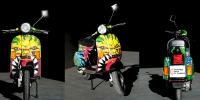
Fundacion Voces and Festival Mulafest got together to promote creative ideas for social change. They started a campaign in social media to ask people to donate their Vespa motorcycles. After they collected the Vespas donated by the people, they put them together again and invited known artists to intervene them.
This project was born a few days after a demonstrator lost an eye after being hit by a rubber bullet shot from police guns in Barcelona. Unfortunately, it was not the first time. "Cop d' ull" means a "a blow to the eye" and also "at a glance”, which is a perfect description of this project.
A television report written, directed and produced by Enmedio members Leónidas Martín and Xavier Artigas. Collective projects that see art as a kind of social relationship. Artistic interventions that target consumption, media guerrilla tactics, creative mobilisations and protest, critical projects brimming with humour and disobedience, new narratives capable of changing the existing symbols and codes.
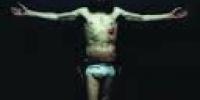
The story of the life and death of Jesus is arguably the most ubiquitous story ever told. Translated to every language, vastly circulated, taught in schools all around the world, conservative groups –except for some exemptions, like Liberation Theology- have held monopoly of this narrative for the longest time. However, like every other narrative, it is not totally closed to resignification and oppositional and negotiated readings.
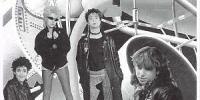
Las Vulpes was the first spanish punk rock band formed only by women. It was founded in Baracaldo (Vizcaya, Basque Country) in the summer of 1982, as a result of the guitarist´s desire on creating an all women punk band. After a few changes, the final formation consisted on: Loles Vázquez (guitar), Mamen Rodrigo (voice), Begoña Astigarraga (bass) and Lupe Vázquez (drums), all between 17 and 22 years of age.
Even though Spain is constitutionally defined as a non-confessional nation, the Catholic Church still holds great power. For example, the Catholic Church is exempt from paying certain taxes, and can reclaim certain buildings as their property. This often creates frictions and conflicts with the activist groups and organizations that would prefer a more secular political environment.
El movimiento 15M ha abierto la veda a una protesta insistente, que mantiene la presencia en la calle. Según la delegada de gobierno, Cristina Cifuentes, en Madrid hay ocho manifestaciones diarias.